
Mission
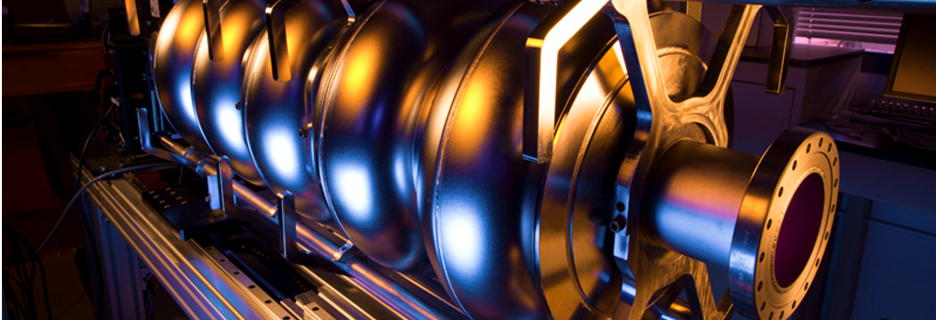
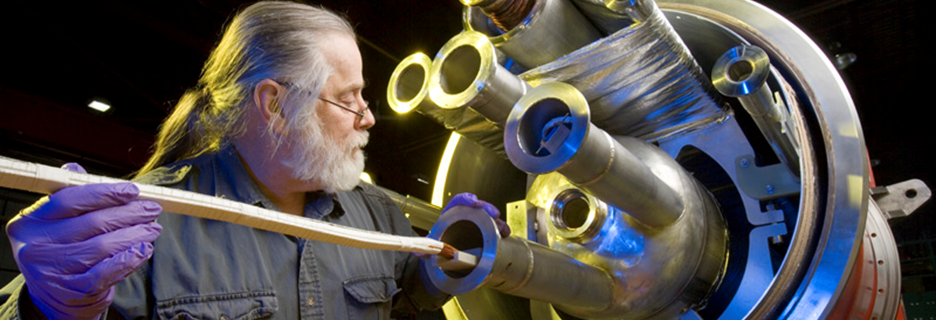
- Pursue highly innovative R&D program in superconducting magnets and SRF for accelerators and quantum technology to advance the lab’s scientific mission and to help in defining the lab’s future direction
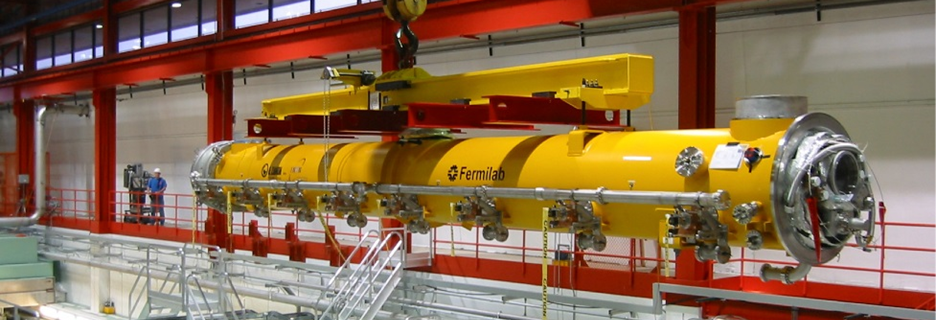
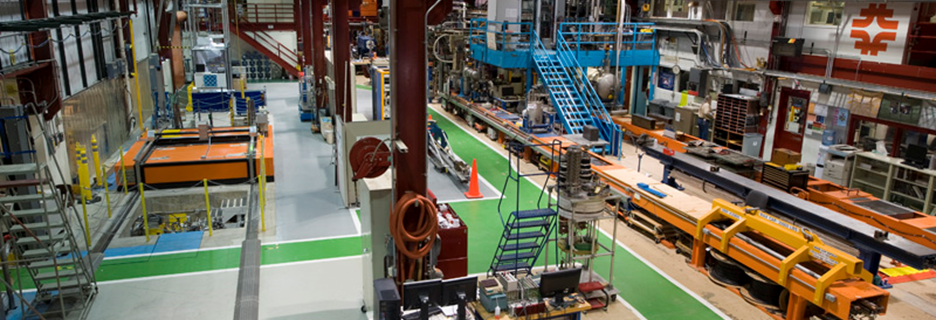
- Operate accelerator test facilities to maximize the lab’s scientific productivity and impact
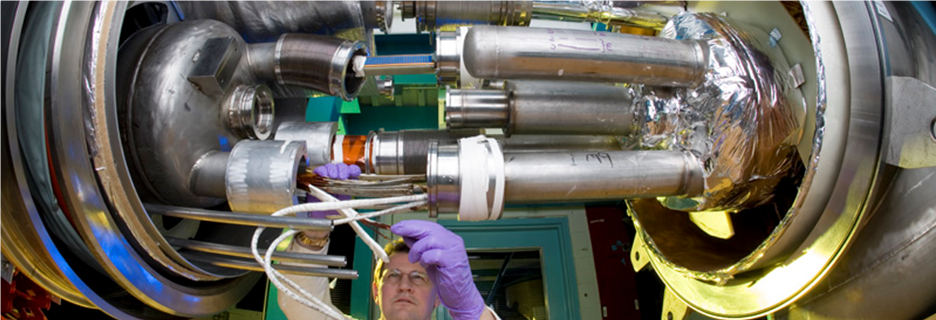
- Develop and build next generation accelerators and detectors using cutting-edge technologies
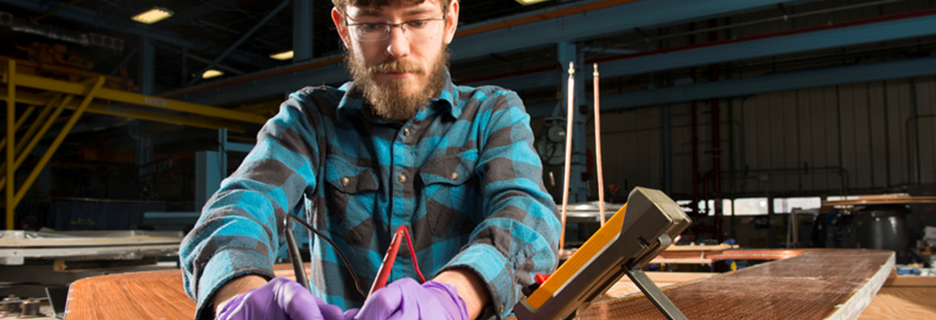
- Educate and train the next generation of physicists and engineers
News
New collaboration sheds bright light on advancing semiconductor production in the U.S.
Apr 05, 2023
NIU engineering and management professors receive DOE grant for student program with Fermilab
Jan 18, 2023
Fermilab completes unique set of magnets for accelerator upgrade at Oak Ridge
Jan 17, 2023
First U.S.-built focusing magnet for LHC upgrade arrives at CERN
Dec 19, 2023
December 13, 1:30pm: APS-TD all-hands meeting in IARC
Dec 04, 2023
The first Q1/Q3 cryoassembly hits the road!
October 31, 2023
Events
Labwide Calendar (SSO access only)